Tungsten Carbide Bushings and Sleeves: Common Applications
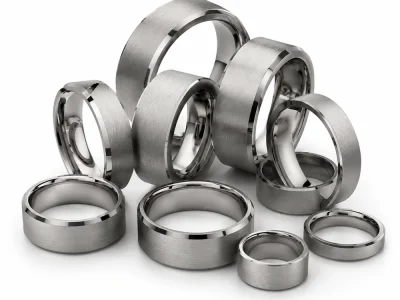
Tungsten carbide bushings and sleeves are widely used in equipment where rotating, sliding, sealing, or guiding surfaces must resist wear. Compared with many steel, bronze, or polymer components, cemented carbide can provide much higher abrasion resistance and better dimensional stability under severe service conditions.
For B2B buyers, carbide bushings and sleeves are rarely purchased as standard catalog items only. They are often customized according to drawings, assembly requirements, mating shafts, fluid media, surface finish, and tolerance needs. Understanding common applications helps buyers define clearer specifications before ordering.
Why Carbide Is Used for Bushings and Sleeves
Bushings and sleeves are usually installed to protect equipment from wear, support movement, guide shafts, or create a controlled clearance. When abrasive particles, slurry, dry running, or high pressure are present, conventional materials may wear quickly. This can lead to leakage, misalignment, vibration, reduced efficiency, and unplanned maintenance.
Tungsten carbide provides high hardness and strong resistance to abrasion. When properly ground and polished, it can also offer a smooth working surface for sealing and sliding applications. This combination makes it useful in pumps, valves, oilfield tools, mining systems, and industrial machinery.
Pump and Valve Applications
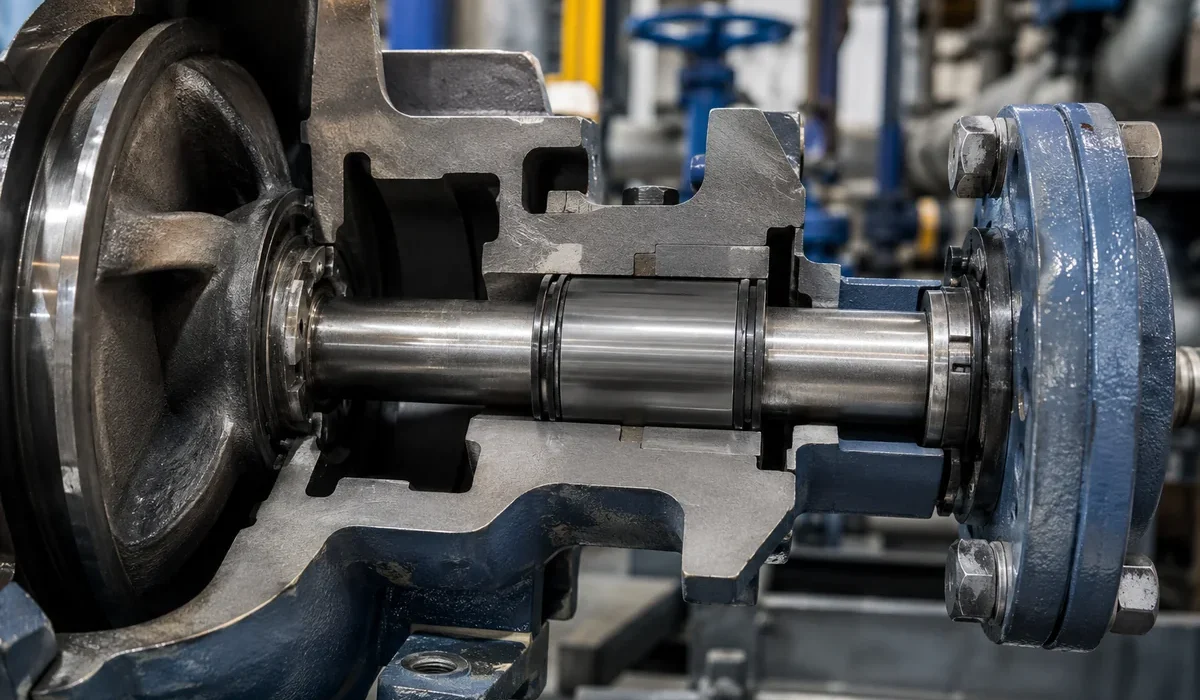
In pumps and valves, carbide sleeves and bushings are often exposed to fluid flow, particles, pressure, and sliding contact. They may be used as shaft sleeves, bearing sleeves, guide bushings, seal sleeves, or flow-control wear components. In slurry pumps or abrasive fluid systems, carbide can help maintain clearance and reduce wear on critical surfaces.
For these applications, surface finish and tolerance are especially important. A sleeve may need precise inner and outer diameters, controlled runout, and polished surfaces. Buyers should specify whether the part is used for sealing, guiding, bearing, or wear protection because each function may require different finishing priorities.
Oilfield and Downhole Tools
Oil and gas applications often involve abrasive particles, pressure variation, and erosion. Carbide bushings and sleeves can be used in downhole tools, flow-control systems, drilling tools, and valve assemblies. They help protect components that would otherwise wear quickly under sand, mud, slurry, or high-speed fluid movement.
Nickel-bonded carbide or special grade selection may be reviewed when corrosion is a concern. However, the actual material choice should be based on working media, temperature, pressure, and service history instead of a general assumption.
Mining and Heavy Equipment
Mining machinery may use carbide sleeves and bushings in abrasive environments where dust, ore particles, vibration, and impact are common. In these conditions, the component must be wear-resistant but also tough enough to avoid premature cracking.
Design review is important for heavy equipment. Sharp internal corners, unsupported thin walls, or excessive press-fit stress may reduce reliability. Chamfers, radius transitions, steel support structures, and proper assembly methods can improve performance.
Industrial Machinery and Metalworking
Carbide bushings and sleeves are also used in general industrial machinery, forming equipment, guide systems, and metalworking tools. They can guide wire, tube, rod, or moving shafts while maintaining dimensional accuracy over long production runs.
In these applications, repeatability is often as important as wear life. Buyers may need to define concentricity, surface roughness, working clearance, and inspection method. A small change in finish or tolerance can affect assembly and machine operation.
Design and Purchasing Notes
When requesting carbide bushings or sleeves, buyers should provide a drawing with inner diameter, outer diameter, length, chamfer, radius, tolerance, and surface finish. It is also helpful to explain assembly method, mating material, lubrication, operating speed, and whether the part will be exposed to abrasive media.
If the part is replacing an existing component, photos of wear patterns and information about service life can help identify whether the problem is abrasion, impact, poor alignment, insufficient support, or an unsuitable grade.
Buyers should also define how the carbide sleeve will be installed and removed. Press-fit parts require careful control of interference and housing condition. Sleeves that are bonded, brazed, or mechanically locked may need different tolerances or surface preparation. If maintenance teams must replace the part regularly, the design should allow safe handling without damaging the carbide edge.
Packaging and transport should not be ignored. Precision ground carbide sleeves can be damaged by impact during shipping, especially at thin edges or polished faces. Protective separators, individual wrapping, and clear labeling can help maintain surface quality before assembly.
For repeated orders, it is useful to keep a stable inspection reference for the inner diameter, outer diameter, length, runout, and surface finish. If the sleeve works with a specific shaft or housing, the buyer should also control those mating dimensions. A carbide part can be manufactured accurately, but the final machine performance still depends on the complete assembly. Sharing mating-part information can prevent clearance problems and reduce back-and-forth during sample approval.
A short installation note can also help operators avoid mixing orientation, damaging polished faces, or applying force to unsupported edges during maintenance.
For related products, see the carbide bushings and sleeves category, the carbide seal ring sample product, and typical sealing requirements in pumps and valves applications.
FAQ
Can carbide sleeves be polished?
Yes. Carbide sleeves can be ground, lapped, or polished depending on the required surface finish and function.
Are carbide bushings suitable for impact conditions?
They can be used in some impact-related applications, but grade, geometry, support, and assembly method must be reviewed carefully.
Can carbide bushings be made from samples?
Yes. A sample can help, but a drawing with tolerance and application details is still recommended for repeatable production.
If you need tungsten carbide bushings or sleeves, send your drawing, sample photos, working conditions, tolerance requirements, and target quantity. KENIN Carbide can review the design and support custom production for your application.