What Is Tungsten Carbide and Why Is It Used for Wear Parts?
Tungsten carbide is one of the most widely used materials for industrial wear parts because it combines high hardness, strong wear resistance, and reliable performance in demanding environments. For B2B buyers, engineers, and sourcing teams, understanding what tungsten carbide can and cannot do is important when selecting components for pumps, valves, tooling, mining equipment, oilfield tools, and other machinery exposed to abrasion or impact.
In simple terms, tungsten carbide is a hardmetal material made from tungsten carbide particles bonded together with a metallic binder, commonly cobalt or nickel. The result is not a conventional steel and not a ceramic in the usual sense. It is a cemented carbide engineered to resist wear while still offering enough toughness for many mechanical applications.
What Tungsten Carbide Is Made From
Cemented tungsten carbide is normally produced by powder metallurgy. Fine tungsten carbide powder is mixed with a binder metal, pressed into shape, and sintered at high temperature. During sintering, the binder phase helps bond the carbide grains into a dense and strong structure.
The final performance depends on carbide grain size, binder content, density, pressing quality, sintering control, and post-processing such as grinding or polishing. A higher binder content usually improves toughness but may reduce hardness. A lower binder content usually improves wear resistance but can make the part less tolerant of impact. This balance is why grade selection matters so much.
Why Wear Parts Need More Than Hardness
Hardness is one of the main reasons tungsten carbide is selected, but wear parts rarely fail because of hardness alone. Real industrial components may face abrasive particles, slurry, dry sliding wear, edge loading, vibration, thermal changes, corrosion, and mechanical shock. A good carbide wear part must be matched to the actual service condition.
For example, a wear plate used against abrasive powder may need high hardness and a stable surface finish. A seal ring may need both wear resistance and dimensional precision. A mining insert may need more toughness because impact loads are common. A valve seat in oil and gas service may need erosion resistance and accurate sealing geometry.
Common Reasons Buyers Choose Tungsten Carbide
Tungsten carbide is often used when steel, cast iron, bronze, or engineering plastics wear too quickly. It can extend service life in applications where downtime, replacement labor, or equipment damage costs more than the component itself.
- High resistance to abrasion from sand, powder, slurry, and hard particles
- Good dimensional stability for precision ground parts
- Strong compressive strength for loaded components
- Ability to be polished for sealing, sliding, or flow-control surfaces
- Suitable for custom shapes when drawings and tolerances are clearly defined
Typical Tungsten Carbide Wear Parts
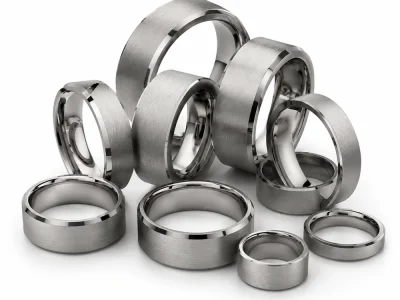
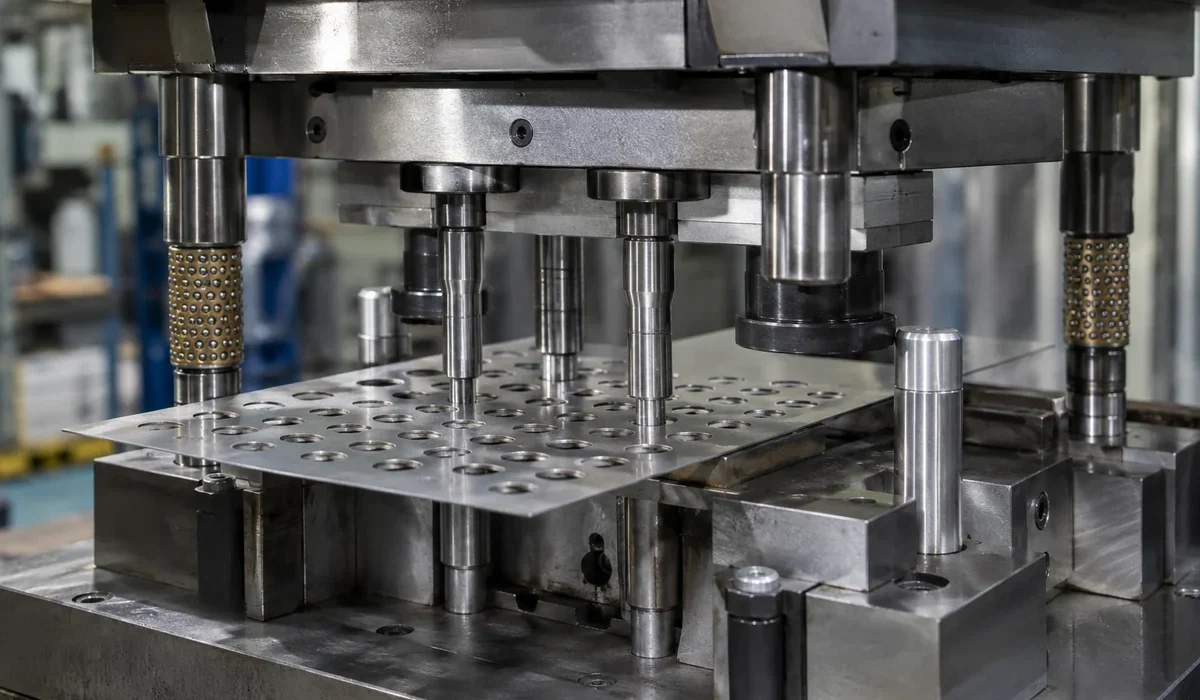
Many carbide components are small compared with the equipment they protect, but they often play a critical role. Common examples include wear plates, bushings, sleeves, seal rings, valve seats, nozzles, dies, inserts, plungers, guide components, and custom wear blocks.
These parts are used in pumps and valves, oilfield tools, wire drawing and forming equipment, mining machines, cutting tools, metalworking systems, industrial machinery, and process equipment. In each case, the purpose is similar: protect the working surface, maintain dimensional accuracy, and reduce wear-related failure.
Design Factors That Affect Performance
When designing a carbide wear part, buyers should consider load direction, mating materials, lubrication, particle size, temperature, surface finish, edge protection, installation method, and whether the part will be brazed, pressed, clamped, or mechanically fixed. Sharp corners and unsupported thin sections may increase risk of chipping, especially in impact conditions.
Because carbide is very hard, final shaping normally requires precision grinding, EDM, lapping, or polishing. It is important to define realistic tolerances and finish requirements. Overly tight specifications can increase cost and lead time without improving field performance.
Another practical factor is how the carbide part connects with the surrounding assembly. Some parts are used as free-standing wear components, while others are pressed into steel housings, brazed to holders, or mechanically clamped. The support structure can be just as important as the carbide material. If the carbide is well supported, it can carry compressive loads effectively. If the design creates bending stress or concentrated force on a thin edge, even a high-quality carbide grade may fail earlier than expected.
When Tungsten Carbide May Not Be the Best Choice
Tungsten carbide is not a universal solution. It can be brittle compared with steel, especially under impact or bending loads. If an application has severe shock, poor support, or frequent misalignment, the grade and geometry must be reviewed carefully. In some cases, a steel-backed carbide design, a tougher grade, or a different mounting method may be more suitable.
Corrosion should also be considered. Some binder systems perform better than others in certain chemical environments. Buyers should share media details, temperature, and operating conditions before confirming the material grade.
For new projects, many buyers start with a small trial batch before moving to larger production. This allows the design team to compare wear marks, fit, finish, and service life under real operating conditions. Feedback from testing can then be used to adjust grade, tolerance, chamfer, or surface finish before repeat orders are placed.
For practical examples, review the carbide wear parts category, the tungsten carbide wear plate sample product, and common requirements in industrial machinery applications.
FAQ
Is tungsten carbide the same as carbide?
In industrial purchasing, “carbide” often refers to cemented tungsten carbide. However, carbide can also describe other compounds, so technical drawings and material requirements should be specific.
Can tungsten carbide parts be customized?
Yes. Carbide wear parts can be produced according to drawings, samples, tolerances, grades, and surface finish requirements. Clear technical information helps avoid delays.
Is tungsten carbide always better than steel?
No. Tungsten carbide is excellent for wear resistance, but steel may be better for bending, welding, high impact, or large structural parts. The best choice depends on the working condition.
If you are evaluating tungsten carbide for wear parts, send your drawing, sample photo, application conditions, expected tolerance, and annual demand. KENIN Carbide can review the technical requirements and suggest a practical carbide solution for production testing.