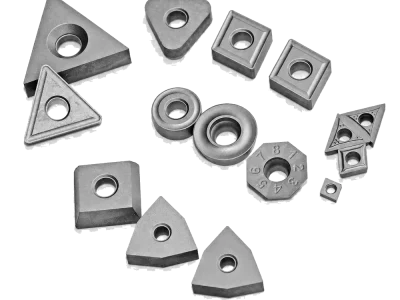
Tungsten Carbide Cutting Tools
Custom carbide cutting tools for machining and industrial material processing.
View Details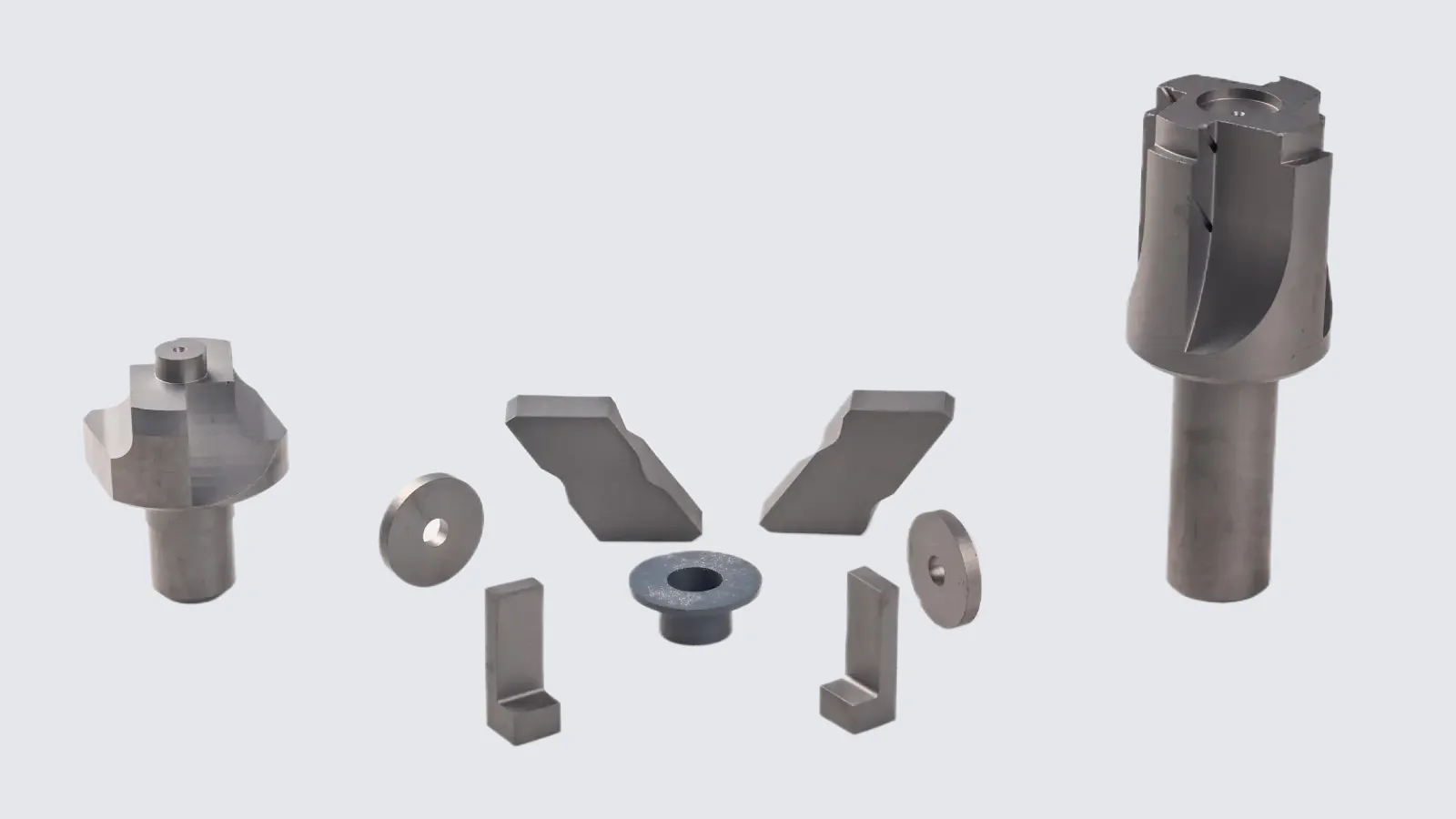
Custom tungsten carbide cutting tools for trimming, slitting, shearing, grooving, shaping, and industrial material processing.
KENIN Carbide manufactures custom tungsten carbide cutting tools for industrial applications where wear resistance, cutting-edge stability, dimensional accuracy, and long service life are required.
Our carbide cutting components can be designed for trimming, slitting, shearing, grooving, shaping, cutting, and material-processing operations. Depending on the workpiece material, machine structure, cutting method, and production requirements, we can review carbide grade, cutting-edge geometry, mounting features, dimensions, tolerance, surface finish, and expected tool life before production.
From straight cutting blades and slitting knives to rotary cutters, shear blades, grooving tools, shaped carbide inserts, and other non-standard cutting components, KENIN Carbide supports drawing-based and sample-based custom manufacturing.
Custom carbide cutting tools for machining and industrial material processing.
View DetailsKENIN Carbide provides standard and custom tungsten carbide components for different production needs, application conditions, and project requirements. From mature standard parts to drawing-based custom solutions, we help customers balance delivery time, quality, cost, and working performance.
For customers who need faster sourcing and proven product solutions, standard carbide components provide a reliable and efficient starting point. These products are based on mature designs, stable production processes, and predictable delivery arrangements — suitable for projects that value efficiency, consistency, and cost control.
With established product types, Swiss-imported OSTERWALDER automatic presses, automated packaging equipment, and mature production arrangements, KENIN Carbide helps shorten lead times and improve procurement efficiency for standard parts.
Market-proven application experience, repeatable manufacturing processes, and an independent quality inspection department support stable batch quality. Imported instruments check hardness, dimensions, composition, and consistency.
Standardized production improves workshop efficiency and helps control the unit cost of common carbide requirements. Increasingly automated, intelligent operations reduce unnecessary loss and improve cost efficiency.
Standard carbide components are widely used in wear parts, dies, bushings, nozzles, sleeves, tooling, and industrial machinery. Their proven use helps customers choose reliable solutions for repeatable working conditions.
For applications with special dimensions, complex geometries, or demanding working conditions, custom carbide components provide greater flexibility and precision. KENIN Carbide supports drawing-based and sample-based production — ideal for projects where fit, material grade, tolerance, and service performance are critical.
Components can be manufactured to customer drawings, samples, tolerances, working profiles, surface finish, and technical specifications — helping each part better match its assembly and operating conditions.
Carbide grades are selected by wear resistance, toughness, impact strength, corrosion resistance, hardness, cobalt content, grain size, and service conditions to match the required working performance.
Custom production supports CNC machining, precision grinding, profile finishing, and surface treatment for complex shapes and tight tolerances — improving fitting accuracy, stability, and service reliability.
KENIN Carbide engineers review your drawings, samples, working environment, and performance requirements to develop a more suitable carbide solution — improving service life and operational reliability in real applications.
There is no single carbide grade that fits every application. The right grade depends on the balance between wear resistance, toughness, corrosion resistance, dimensional stability, and actual working conditions.
Cemented carbide is an engineered material made mainly from tungsten carbide particles and a metallic binder such as cobalt or nickel.
By adjusting the tungsten carbide content, binder type, binder percentage, grain size, hardness, and toughness, different carbide grades can be designed for different working environments.
Before selecting a carbide grade, the actual working conditions should be reviewed carefully.
| Working Condition | Recommended Selection |
|---|---|
| Abrasion or Sliding Wear | For general wear parts under normal working stress, balanced wear-resistant grades such as YG6 or YG8 are commonly selected. |
| Impact or Heavy Load | For forming parts, cold heading dies, stamping dies, or high-stress applications, tougher grades such as YG15 or YG20 are more suitable. |
| Corrosion or Fluid Contact | For pumps, seal rings, valve balls, or acidic working environments, nickel-bonded corrosion-resistant grades such as YF06N can be considered. |
| Rock Drilling or Mining Impact | For DTH bits, cone bits, reamer bits, and medium-hard rock formations, mining tool grades such as YK06, YK10, or YK11 are recommended. |
| Working Condition | Typical Applications | Recommended Grade | Key Feature |
|---|---|---|---|
| Abrasion or sliding wear | General wear parts under normal working stress | YG6 / YG8 | Balanced wear resistance, strength, and toughness |
| Impact or heavy load | Forming parts, cold heading dies, stamping dies, high-stress parts | YG15 / YG20 | Higher toughness and impact resistance |
| Corrosion or fluid contact | Pumps, seal rings, valve balls, acidic environments | YF06N | Nickel-bonded, wear-resistant, corrosion-resistant |
| Rock drilling or mining impact | DTH bits, cone bits, reamer bits, medium-hard rock formations | YK06 / YK10 / YK11 | Good wear resistance and toughness for rock drilling |
The above recommendations are for reference only. Final grade selection should be confirmed based on drawings, working conditions, wear requirements, impact load, corrosion exposure, surface finish, and dimensional tolerance requirements.
KENIN Carbide supports custom tungsten carbide components based on drawings, photos, samples, dimensions, carbide grade requirements, and working conditions. From requirement review to production and delivery, we provide a clear and efficient process to help customers complete custom carbide projects.
Send us drawings, photos, samples, dimensions, specifications, quantity, carbide grade requirements, and working conditions. If the grade is unclear, describe the wear, impact, corrosion, or performance needs, and we will review the application.
We review the product structure, carbide grade, tolerance, quantity, processing difficulty, and delivery schedule. Before production, we confirm dimensions, grade, surface finish, packaging, and delivery details with you.
Production starts after the order is confirmed and technical details are approved. Depending on the product, the process may include pressing, sintering, CNC machining, grinding, polishing, and final inspection.
Finished parts are cleaned, protected, and packed to reduce transportation damage. Shipment is arranged according to the agreed method, and logistics information is provided after dispatch.
Share your drawings, samples, dimensions, grade requirements, and working conditions. KENIN Carbide will help review your project and provide a suitable custom carbide solution.
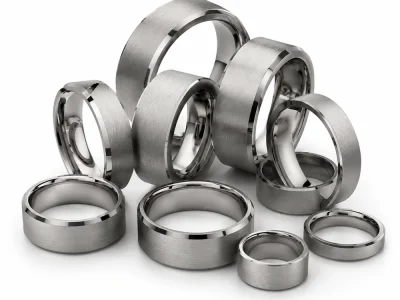
When a buyer requests custom tungsten carbide ring blanks, the drawing and RFQ package often matter as much as the product name. A clear drawing helps the engineering team understand the required geometry, supply condition,…
Read More
Carbide Valve Seats and Nozzles for Oil & Gas Applications Oil and gas equipment often operates in abrasive and high-pressure…
Read More
China’s tungsten export controls and Japanese carbide price increases are reshaping global cemented carbide supply chains. This article explains how buyers can qualify an alternative carbide supplier and reduce sourcing risk.
Read More